WE ARE OPEN FOR THE SUMMER HOLIDAYS DAILY UP TO 6 SEPTEMBER
Pre-Book Your Visit or Pay On The Door
Pre-booking tickets online saves you £1.50 per ticket!
Note: online booking closes at 10am on the day.view prices
If you miss the deadline, you are most welcome to pay on the door.
Pre-booking is for purchased tickets only and excludes free admissions
i.e. BWC Members, Essential Carers (with ID), Under 3s, Gift Voucher Holders and
Complimentary Ticket Holders. These visitors do NOT need to pre-book.
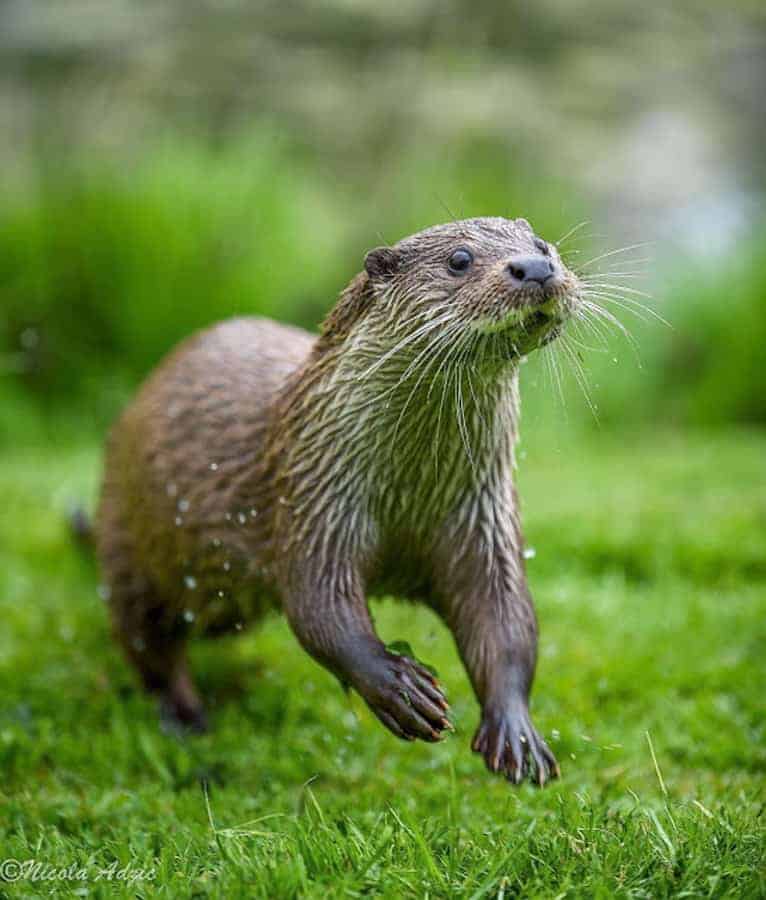
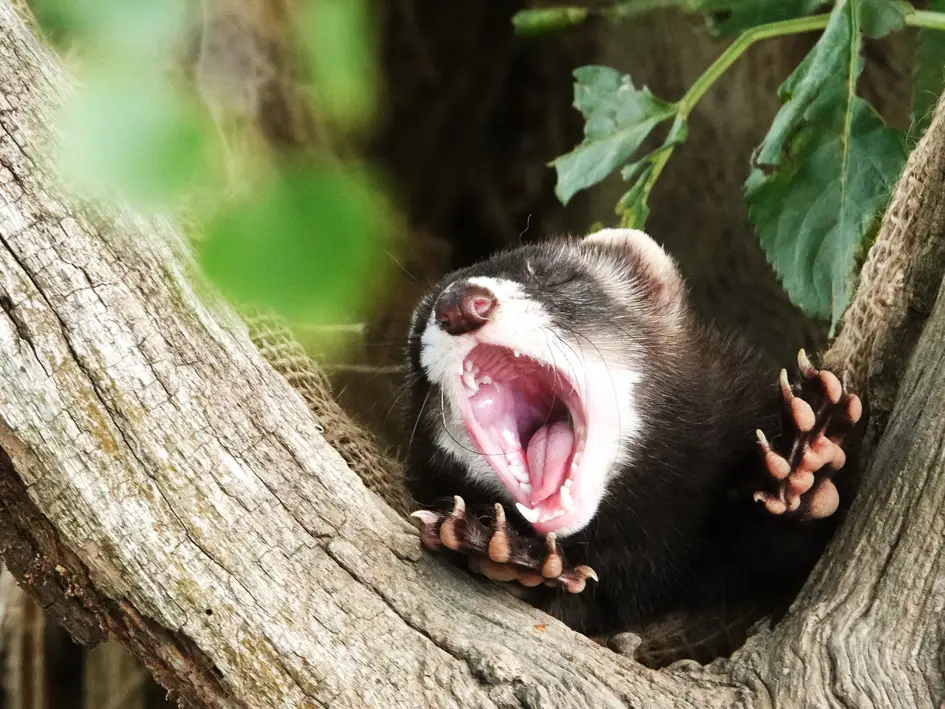
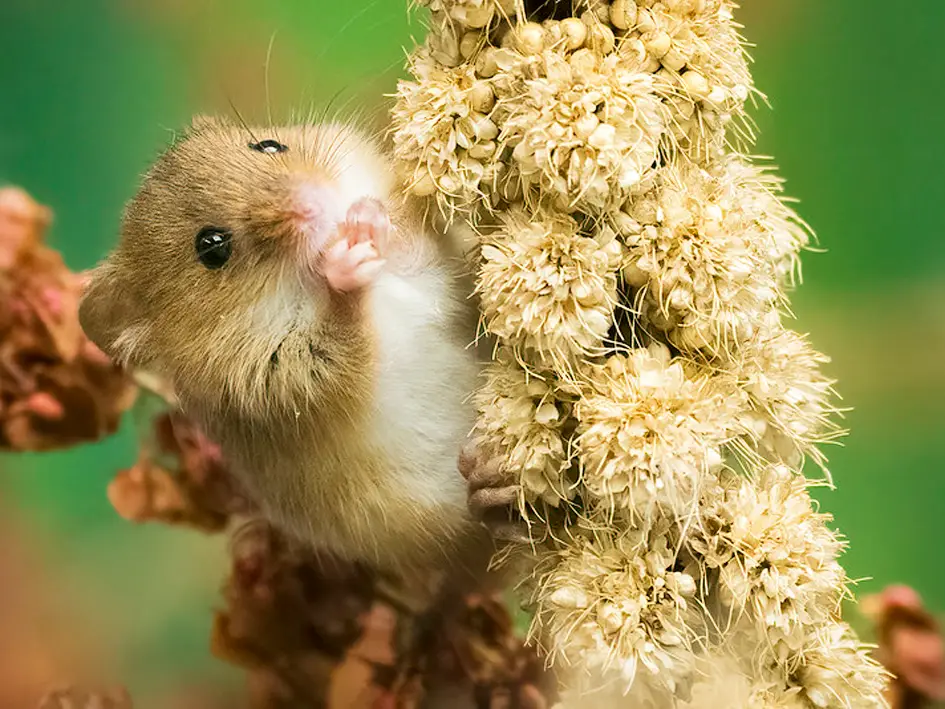
Enjoy a wild day out with our fascinating collection of wonderful wildlife. It’s a REAL natural history experience!
Our Visitors’ Gallery showcases a selection of fabulous photos taken here at the Centre by our valued visitors. Featuring the unusual, artistic or just plain cute, they’re a must-see!
Donations are very much appreciated and help us with vital conservation projects and to maintain the highest standards of animal welfare. Every penny donated goes towards caring for our animals. Your payment is made securely by Pay Pal (you don’t need to be registered with Pay Pal, you can check out as a guest). We thank you.
Awarded the 2025 TripAdvisor’sTravellers’ Choice Award, our 12th consecutive year of being rated in the top 10% of Trip Advisor attractions worldwide.
We are proud to be a Visit England Quality Assured Attraction
All images featured on this website, unless credited otherwise, were taken at the British Wildlife Centre by our Head Keeper and resident photographer, Matt Binstead.
British Wildlife Centre, Eastbourne Road, Newchapel, Lingfield, Surrey RH7 6LF
British Wildlife Centre Limited, a charitable company* limited by guarantee whose registered office is at British Wildlife Centre, Eastbourne Road, Newchapel, Lingfield, Surrey RH7 6LF, company number 17048041
*we are in the process of applying to the Charity Commission for a registration number